
The four rules of layering
Order
Heavier scent first
Spray the richer one (amber, woods, vanilla, musk) and let it dry for a minute. Then add the lighter one on top.
Balance
One scent leads
Give the main scent two sprays and the accent one. Equal amounts of two strong perfumes rarely blend well.
Bridge
Look for a shared note
Vanilla in both, or musk, or a wood. A shared note ties the two together so they read as one scent.
Test
Try it on paper first
Spray each on a paper strip, hold them together and sniff. If it works, try it on skin for a full day.
Why heavier first? Light top notes like citrus evaporate in minutes. Sprayed over a rich base, they sit on top and give the blend a bright opening; underneath, they’d be smothered. Editorial inference
Note families that pair well
Every perfume page on Worth a Spray lists the key notes and scent family, so you can check what you own against this table. You can also browse perfumes by note.
| Base (first) | Accent (on top) | What it does |
|---|---|---|
| Vanilla or gourmand | Citrus or fresh fruit | Brightens a sweet scent and makes it feel lighter, like lemon on a dessert |
| Musk or a skin scent | Almost anything | Softens and smooths the top scent, and gives it a “your skin but better” feel |
| Amber or woods | Rose or other florals | Gives a light floral more depth and warmth for evenings and cold weather |
| Tobacco or spice | Vanilla or chocolate | Rounds off dry, smoky edges and makes the blend creamier |
| Woody or earthy | Citrus or aromatic herbs | Lifts a dark, dry scent and makes it easier to wear in daytime |
Four combinations to try
These pairings use perfumes we cover, chosen because their listed notes fit together. They’re suggestions based on the notes, not combinations we’ve worn and timed, so try them on paper or with samples before you commit. Editorial inference
Vanilla 28 + Light Blue: lemon over vanilla
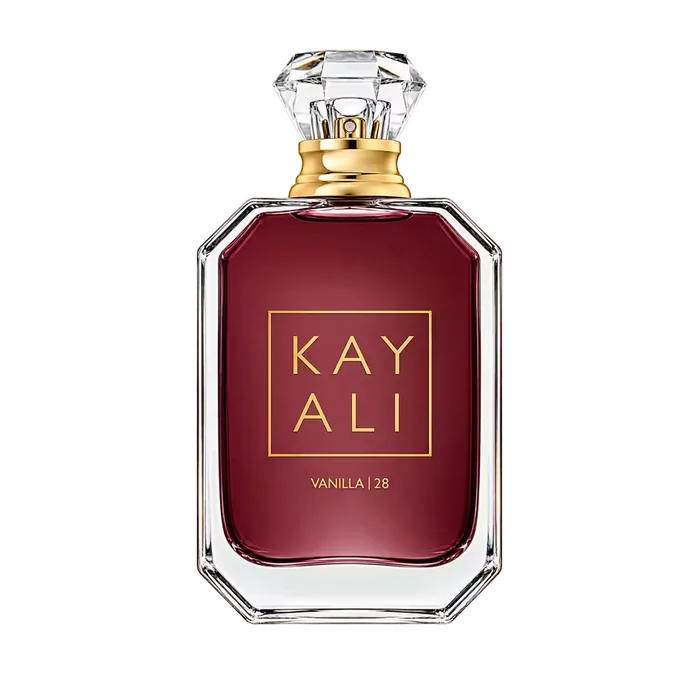
amber / gourmand
- vanilla orchid
- jasmine
- brown sugar
- tonka
- amber woods
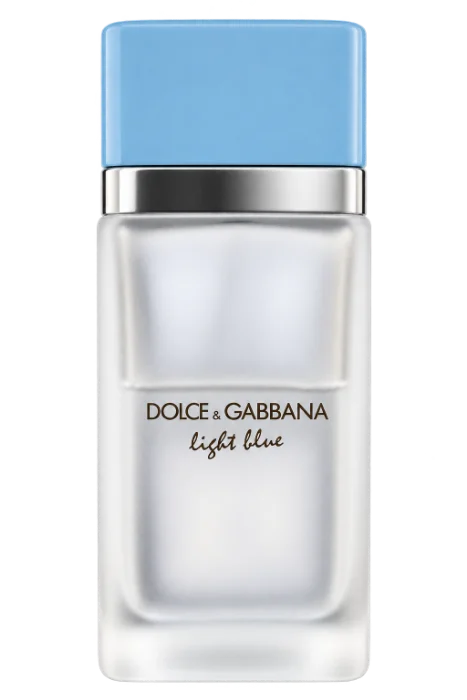
citrus / fruity
- Sicilian lemon
- apple
- cedar
Vanilla 28 is rich and sugary; Light Blue is crisp lemon and apple. One spray of Vanilla 28 on the chest, then two of Light Blue on the neck, should give a lemon-cake effect: fresh at first, then warm and sweet as the citrus fades. A good way to make a winter vanilla wearable on a warm day.
Miss Dior + Glossier You: rose over a musky skin scent
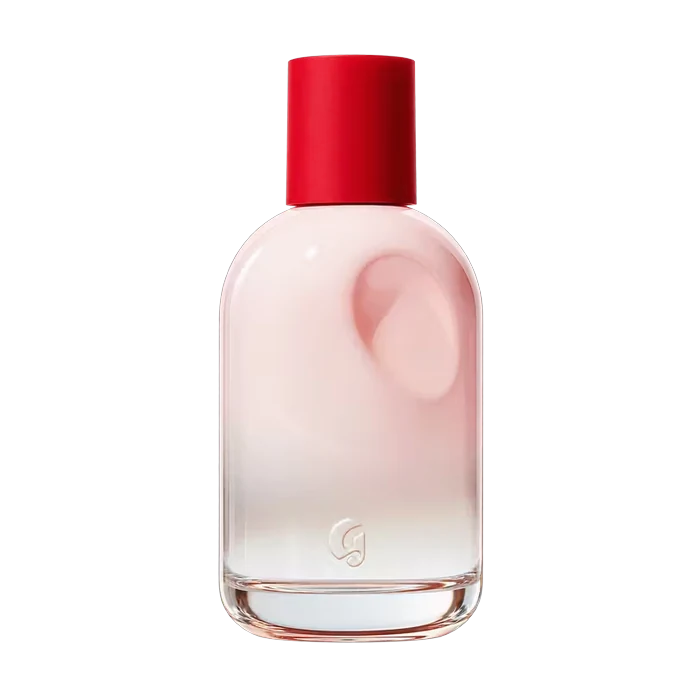
woody / musky
- pink pepper
- iris
- ambrette
- ambrox
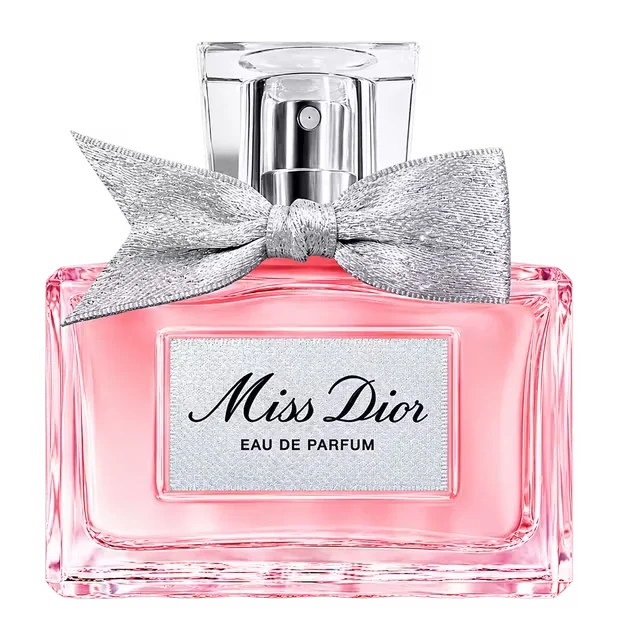
floral / chypre
- rose
- vanilla
- sandalwood
Glossier You is a quiet, musky skin scent with iris and ambrette, which makes it one of the easiest layering bases there is. Under one spray of Miss Dior’s rose, vanilla and sandalwood, it should soften the rose and make it feel closer to the skin. This is the exception to “heavier first”: You is light, but musks sit low and work as a base. Try the same trick under almost any floral.
Tobacco Vanille + Terre d’Hermès: orange and vetiver over sweet tobacco
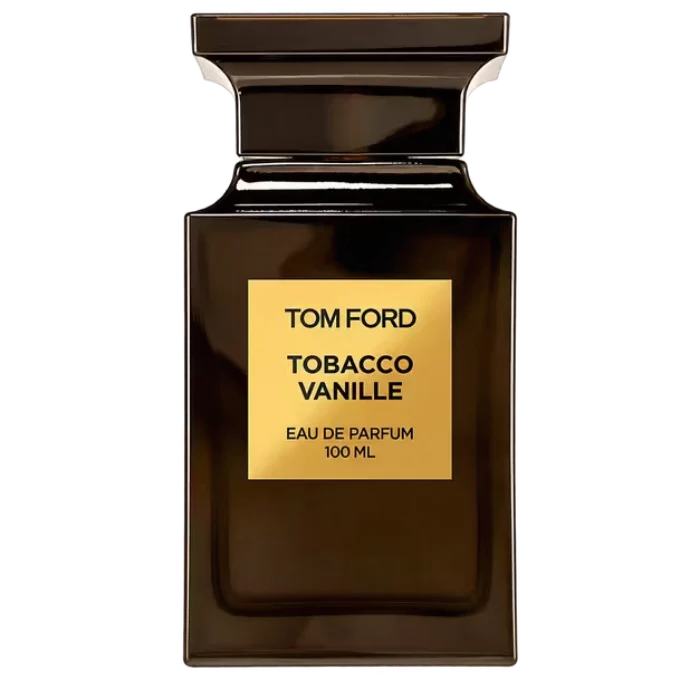
amber / gourmand
- tobacco leaf
- vanilla
- tonka bean
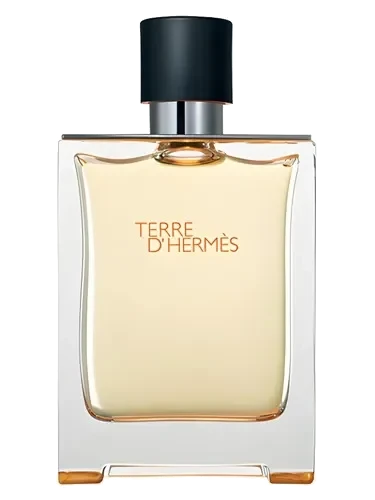
woody / mineral
- orange
- flint
- vetiver
Tobacco Vanille is very sweet and very strong, so it needs only one spray. Two sprays of Terre d’Hermès on top add bitter orange and a dry, earthy vetiver that should cut through the honeyed sweetness. The result leans less dessert, more wood and smoke: a way to wear Tobacco Vanille to the office or on a milder day.
Tobacco Chocolat + Vanilla Sex: chocolate and vanilla
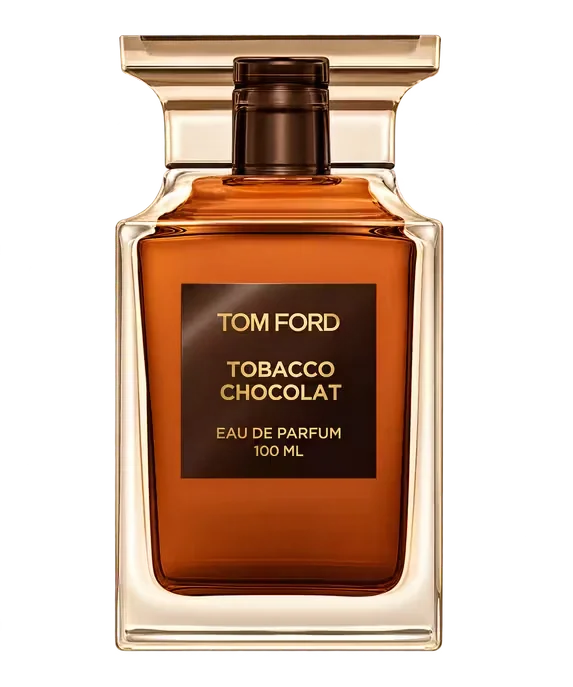
amber / gourmand
- tobacco
- cocoa
- orange
- patchouli
- peru balsam
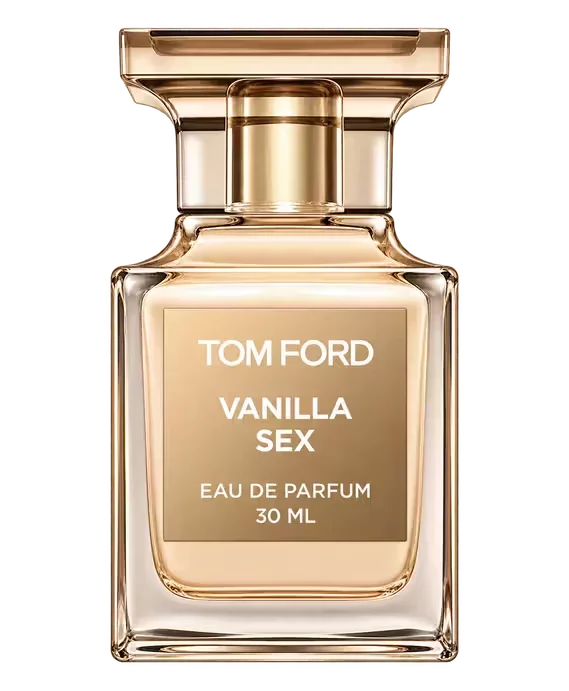
amber / gourmand
- vanilla
- sandalwood
- jasmine
- orris
Tobacco Chocolat brings dark chocolate, tobacco and orange; Vanilla Sex brings the creamy vanilla that Tobacco Chocolat doesn’t list. Together they should read as chocolate and vanilla, a richer take on the Tobacco Vanille idea. We go into this pairing, and which one to sample first, in our Vanilla Sex vs Tobacco Chocolat vs Tobacco Vanille comparison.
Layering with body products
The easiest kind of layering doesn’t need a second perfume at all.
- Unscented lotion first. Moisturized skin holds perfume longer than dry skin, and an unscented lotion won’t compete with your scent.
- The matching body line. If your perfume comes with a matching shower gel, body lotion or deodorant, using them underneath builds the same scent in layers. Matching products are made to sit under the perfume, so they won’t clash.
- A simple vanilla or musk body product. A lightly scented vanilla or musk lotion works under most perfumes, for the same reasons those notes make good bases.
More on getting the most wear from one perfume in our guide to making perfume last longer.
Mistakes to avoid
Two loud, sweet scents
Two big gourmands or two strong ambers mostly just get louder and heavier. Pair a sweet scent with something fresher instead.
Two strong, different florals
A heady tuberose and a big rose, for example, tend to fight. Pair a floral with a musk, wood or vanilla.
Too many sprays
Layering adds up. If you’d use three sprays of one perfume, use three in total across both, not three of each.
Three or more scents
Every extra scent makes the blend muddier. Get a pair right before adding anything else.
Layering before you know each one
Wear each perfume on its own first, so you know what each brings. Samples are the cheapest way: see samples, decants and travel sprays.
Two versions of the same perfume
An EDT and EDP of the same name mostly repeat each other. Our EDT vs EDP vs Parfum guide explains how versions differ.
Common questions
Which perfume should go on first when layering?
The heavier, richer one: an amber, woody, vanilla or musky scent. Let it dry for a minute, then add the lighter, fresher one on top. Light top notes sit better over a heavy base than the other way round.
How many sprays should you use when layering perfume?
Fewer than you’d use of one perfume alone. Start with two or three sprays in total, for example two of the scent you want to lead and one of the accent, and add more only if it feels too quiet.
Can you layer any two perfumes?
You can, but some pairs work much better than others. Two scents that share a note, or a fresh scent over a warm one, usually blend well. Two loud, sweet perfumes, or two strong but different florals, tend to clash or turn muddy.
Should you layer perfume on the same spot?
For a true blend, yes: spray the second scent over the first. For a softer effect, put each on a different spot, for example the base scent on your chest and the accent on your neck, so they meet in the air rather than on the skin.
Do any brands design perfumes for layering?
Some do. Jo Malone London, for example, has long suggested combining its scents and sells many of them as simple, single-idea fragrances that pair easily. But you don’t need a matching set: any two perfumes that follow the rules above can work.
Notes are from each brand’s published descriptions. The combinations above are suggestions based on how the listed notes fit together, not pairings we’ve worn and timed, and results vary with skin and climate. Read how we compare perfumes.