
What Acqua di Giò smells like
Editorial inference
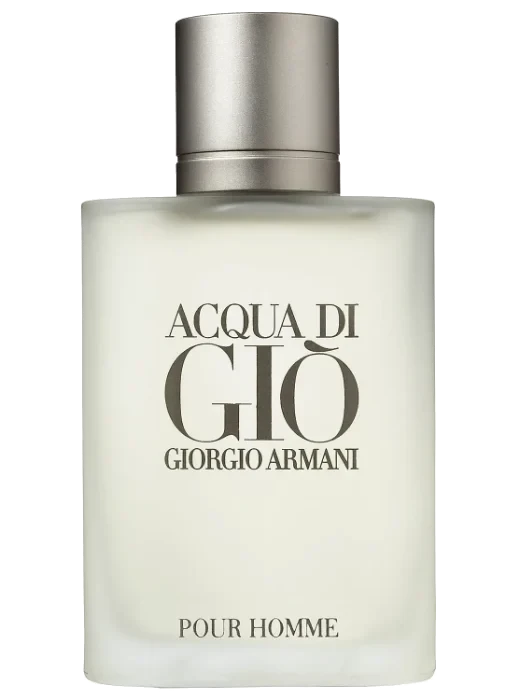
A salty, watery opening of marine notes and citrus, a green, slightly herbal heart, then soft cedarwood. It defined the fresh aquatic style of the late ’90s and still smells clean and airy.
Acqua di Giò notes
Brand description Source: Giorgio Armani Beauty.
- Top notes
- Calabrian bergamot, neroli, green tangerine, marine notes
- Heart notes
- rosemary, persimmon
- Base notes
- Indonesian patchouli, cedarwood
This is Armani’s current description of the EDT. The 1996 launch pyramid listed on Fragrantica is much longer, with jasmine, calone, peach, freesia, white musk and oakmoss among others.
How long Acqua di Giò lasts, and how it wears
Editorial inference Typical figures, not our own timing.
- How long it lasts
- 4–6 hours
- Projection
- Moderate for the first hour or two, then soft and close to the skin
- Season
- Spring and summer; at its best in hot weather
- Best for
- Daytime, casual, holidays and the office
- How much to spray
- 3–4 sprays
Estimate based on the concentration (Eau de Toilette), a light citrus-and-marine structure with a soft cedarwood base, and the consensus of Fragrantica and Basenotes reviewers that current bottles perform moderately and fade sooner than the Eau de Parfum or Parfum. Skin, climate and how much you spray all move these numbers, which is one more reason to try a sample before a bottle.
Acqua di Giò is one of our best men’s fragrances.
To get more from a bottle, see where to spray and how to make perfume last longer, how to layer it with another scent, and how to store it so it doesn’t go off.
Should you sample it?
Editorial inference
You might like it if
You want an easy scent for heat, holidays and daytime, or you wore it years ago and want the original.
You might skip it if
You want warmth or depth for colder months: it’s light and at its best in the heat.
Is Acqua di Giò still worth it?
Editorial inference
For hot weather, yes. Acqua di Giò launched in 1996 and set the template for the fresh marine style, and it still does that style well: salty, citrusy, green and clean, without the sweetness or loudness of many newer releases. It’s also still hugely popular; Armani has said a bottle is sold every five seconds. That means it’s familiar, but its quieter projection makes that less of an issue than with Sauvage.
The harder question is reformulation. Like almost every perfume from the ’90s, Acqua di Giò has been adjusted over the years, partly because ingredient rules have tightened, and fans on Fragrantica and Basenotes regularly debate whether older bottles were stronger or better. Armani doesn’t publish formula changes, so there’s no reliable way to say how much has changed. Fragrantica’s own reviewers have argued it remains genuinely good despite the changes.
What you can check is how it performs on you today. If the EDT fades too fast on you, which is the most common complaint, try the newer Eau de Parfum or Parfum, both richer and longer-lasting. Sample the EDT first, check it after three or four hours, and move to the stronger versions only if it has gone.
Versions of Acqua di Giò
The same name covers several different perfumes. Here is how they relate, so you sample the right one.
| Version | Launched | How it differs |
|---|---|---|
| Acqua di Giò Eau de ToiletteAlberto Morillas | 1996 | This page. The original: salty marine notes and citrus over a green, herbal heart and soft cedarwood. Also sold as Acqua di Giò Pour Homme. |
| Acqua di Giò Eau de ParfumAlberto Morillas | 2022 | Keeps the marine notes but adds green mandarin, sage, vetiver and patchouli, so it’s more aromatic and mineral than the EDT and made to last longer. |
| Acqua di Giò ProfondoAlberto Morillas | 2020 | A deeper, saltier Eau de Parfum with marine notes, cypress, lavender, rosemary and musk. A reworked version followed in 2024, which reviewers describe as brighter and airier. |
| Acqua di Giò ParfumAlberto Morillas | 2023 | Marine notes and bergamot over rosemary, clary sage and geranium, with incense and patchouli in the base: woodier and more grown-up than the EDT. |
| Acqua di Giò ProfumoAlberto Morillas | 2015 | Discontinued. A darker take with marine notes, bergamot, incense and patchouli; the Parfum has effectively taken its place. |
| Acqua di Giò ElixirAlberto Morillas | 2025 | Armani’s most concentrated Acqua di Giò: a violet accord with bergamot, leather and patchouli, much darker and leathery than the EDT. |
If you like Acqua di Giò, also try
Editorial inference
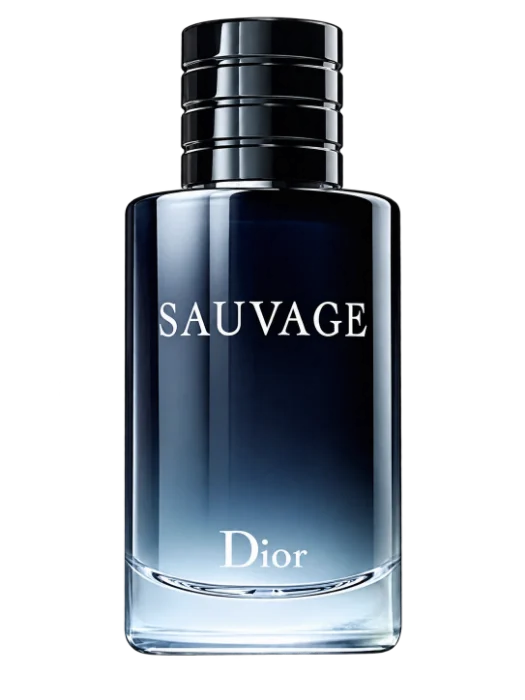
- LouderDior Sauvage Eau de ToiletteAlso bright and bergamot-led, but peppery and dry where Acqua di Giò is watery, and much louder.
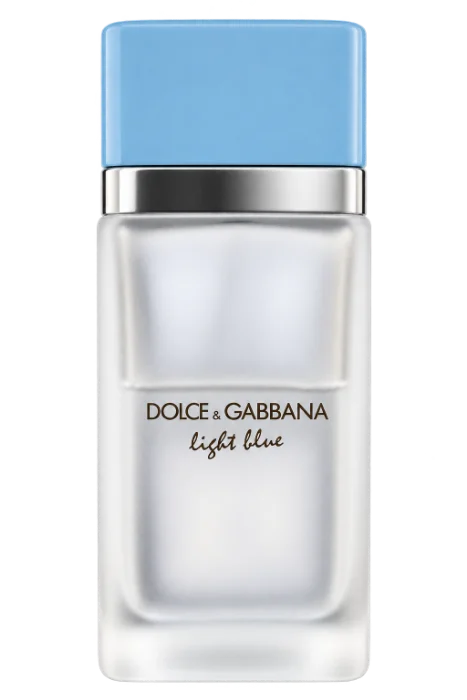
- ZestierDolce&Gabbana Light Blue Eau de ToiletteAnother hot-weather classic: sparkling lemon and green apple over clean cedar instead of salty marine notes. Marketed to women, but easy for anyone to wear.
- CheaperDavidoff Cool Water Eau de ToiletteThe 1988 aquatic that came before Acqua di Giò: sea notes, mint, lavender and rosemary over musk and cedar, and usually far cheaper.
- CitrusierIssey Miyake L’Eau d’Issey Pour Homme Eau de ToiletteA fellow ’90s fresh classic built on sharp yuzu and citrus over a clean aquatic heart and soft woods.
- Less commonAcqua di Parma Blu Mediterraneo Mirto di PanareaMediterranean like Acqua di Giò, but herbal instead of salty: myrtle, basil and sea notes over juniper and cedar. Gentle, unisex and rarely smelled on others.
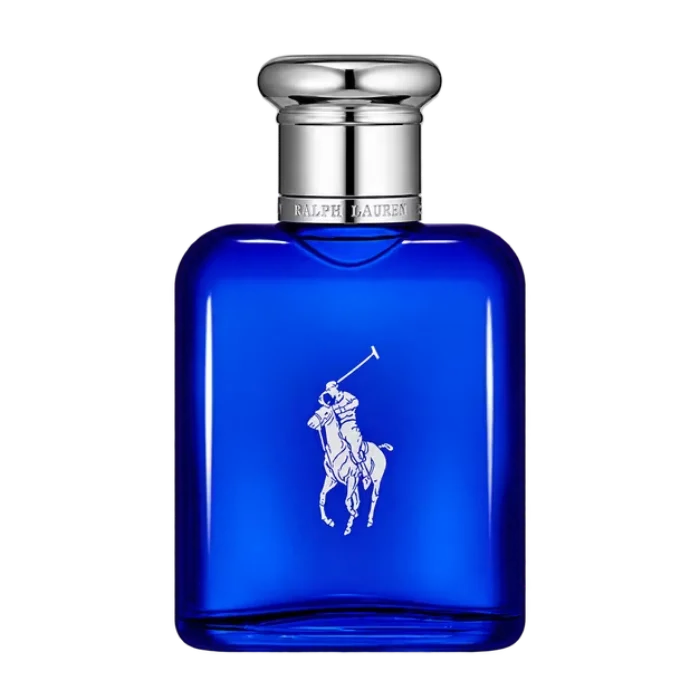
- GreenerRalph Lauren Polo Blue Eau de ToiletteAnother easy fresh aquatic, greener and sweeter with melon, cucumber and sage, and usually cheaper.
More cheaper alternatives to popular perfumes are in our perfume dupes guide.
Comparisons
Acqua di Giò questions
Is Acqua di Giò the same as Acqua di Giò Pour Homme?
Yes, they’re the same men’s Eau de Toilette. “Pour Homme” was on the label to tell it apart from the women’s Acqua di Giò, released a year earlier. Armani’s US site now lists it simply as Acqua di Giò Eau de Toilette, while some retailers, including Sephora, still use the Pour Homme name.
Which Acqua di Giò is best?
The original EDT is the best choice for pure summer freshness and the classic salty, citrusy smell. If it fades too quickly on you, try the Eau de Parfum for a more aromatic, longer-lasting version, or the Parfum for something woodier with incense. Profondo is the pick if you want the saltiest, most marine version.
What’s the difference between Acqua di Giò and Acqua di Gioia?
They’re different perfumes. Acqua di Giò is the 1996 men’s marine scent on this page. Acqua di Gioia is a women’s Eau de Parfum from 2010, built on lemon, mint and jasmine over cedar and brown sugar, so it’s fresher-sweet and floral rather than salty. The names are easy to mix up online, so check before you order.
Is Acqua di Giò good for summer?
Yes, summer is where it’s best. The marine notes and citrus feel cool and clean in the heat, and it’s light enough not to become cloying on hot days. It works less well in winter, when it can feel thin; the Parfum or Profondo carry better into cooler months.
How long does Acqua di Giò last?
Expect around four to six hours from the Eau de Toilette, with the brightest part fading after the first hour or two. Longevity is the most common complaint about current bottles, so reports vary widely. If you need all-day wear, the Eau de Parfum and Parfum are generally reported to last longer.
Key notes are from Giorgio Armani’s published descriptions; the full note list is from the source named above. Longevity and season are typical figures, not our own measurements. Read how we compare perfumes, what EDT, EDP and Parfum mean, or the difference between perfume and cologne.